Five hundred, twenty-five thousand six hundred minutes. How do measure a year?
3 minute read~
525,600 minutes.
That’s how many moments make up a year yet every reporting season we try to compress all of them into a PowerPoint deck, an Excel model, or a tidy narrative about performance. But a year isn’t lived in milestones or metrics. It’s lived in the late‑night fixes, the unexpected breakthroughs, the conversations that changed direction, and the small wins no one ever writes down.
As we edge towards reporting season, it’s worth asking: how do we really measure a year, and what gets lost when we only measure what fits on a slide?
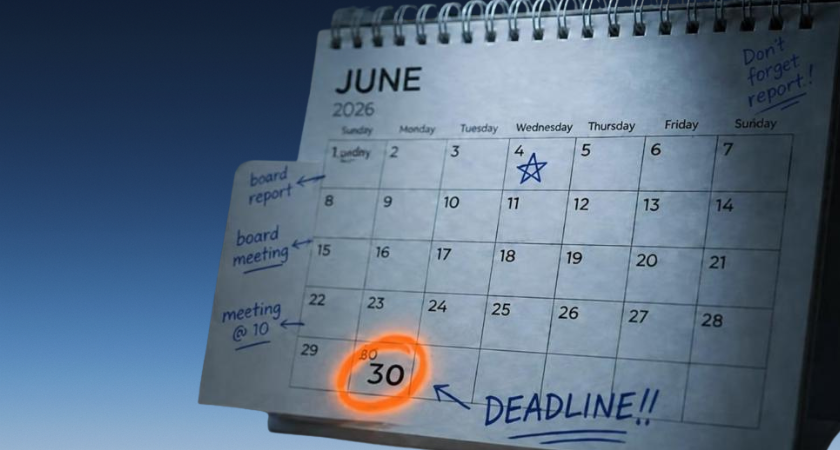
From mid-June, diaries fill with scheduled calls with the finance team.
- How did we go?
- Where did we fall short?
- Where did we overspend?
And cue lengthy discussions about numbers pencilled in more than 12 months before, based on assumptions that are often hard to test.
And then once the numbers are agreed, it’s time to slide a year’s worth of late nights, hard pushing and people coaching , blood, sweat and tears, into a table and three slides that will form a pack of more than 50 (if yours are lucky not to get squeezed to the appendices).
End of year reporting can be gruelling. You’re balancing what was with what could be and almost always through the lens of commercial performance. In my decades through reporting seasons, I rarely had a smooth one. Certainly not one where sales exploded, costs were contained, people were happy and customers retained.
The Invisible Minutes
No business succeeds or fails as it appears on paper alone. Those 365 days are built from micro-moments that each play a connected role in achieving the outcome.
The corridor conversations. The coffee shop counselling on the way back to the lifts. The off-hand comment from an executive on a job not-so-well-done.
All of these micro-moments never make it to the KPIs or the end of year slides but they are the beating heart of culture, and how a company and its people build resilience and make progress.
What Gets Counted, Gets Celebrated
I’ve sat in enough year-end reviews to know what gets airtime and what doesn’t.
When we only report financial outcomes, we only celebrate financial outcomes. And quietly, over time, that shapes what people believe the organisation actually values.
Culture doesn’t appear in the P&L. Neither does the trust that took three years to build with a key client, the resilience that kept a team together through a difficult quarter, or the capability that walked out the door when someone got a better offer.
These things have commercial consequences. We just don’t measure them until it’s too late.
Reporting as Reflection
Most reporting seasons end with a sign-off and a collective exhale. The pack goes to the board. The cycle resets. And everyone moves on to next year’s targets before the ink is dry.
But what if reporting season was also a moment to pause, not to add more slides, but to ask the harder questions?
What happened here that the numbers don’t show? Who stepped up when it was hard? Where did this team surprise itself?
Those questions don’t replace the financial review. They sit alongside it. And they’re the ones that tend to change how you lead the next year.
A Different Measure
Of the 525,600 minutes, most will live in the memory of the people who were there. In the corridor, on the call, in the moment after the deal fell through.
The best leaders I’ve worked with don’t just ask how did we perform? They ask who are we becoming? And they make time, even in the middle of reporting season, to answer both.
That’s a harder thing to put in a table. But it might be the most important thing you track.
Author: Amelia Collins